
Your guide to weaning
Everything you need to know about starting your little one’s weaning journey. We’ve got top tips from parents and experts on how to get their taste buds tingling.

What is weaning?
Weaning is the transition from milk to solid food. At around six months of age, your baby will start to need nutrients that aren’t available in adequate amounts in their milk alone. It’s important they’re introduced to solid food that starts to meet these additional nutritional needs while breast or bottle feeding continues up to two years of age or beyond.
Once your little one reaches this milestone, it’s natural to have lots of questions, so explore the weaning sections and look out for top tips from our Expert Panel and other families.
Is my baby ready for weaning?
There are a number of things to consider as you approach the weaning or complementary feeding stage, for example:
- Can your little one sit up? (It’s ok if they need a little extra support from you)
- Can they grasp objects and bring them to their mouths?
- Are they interested in your food and perhaps try to grab from your plate?
- Can they hold their head steady and move around from side to side?
Where do I start with weaning?
If weaning with purees, start with thin purees and build up to ones with a thicker consistency and eventually minced or chopped foods. Then try larger pieces of food from protein and carbohydrate groups, like fish, chicken and potato.
Going down the puree route? Start with single flavours based on a range of vegetables. Try and focus on vegetables over fruit, as little ones have a preference for sweeter tastes so it’s good for them to become accustomed to savoury flavours early on.
Good first vegetables to include early on:

Spinach
Broccoli
Cauliflower
Pumpkin
Over time your little one will progress from purees to first finger foods to moving food and soft lumps around their mouth as well as using their lips to clear food from a spoon. Soon enough they’ll be accepting a wide range of food, as eaten by the entire family.
The Importance of solid food
Soft cooked vegetables
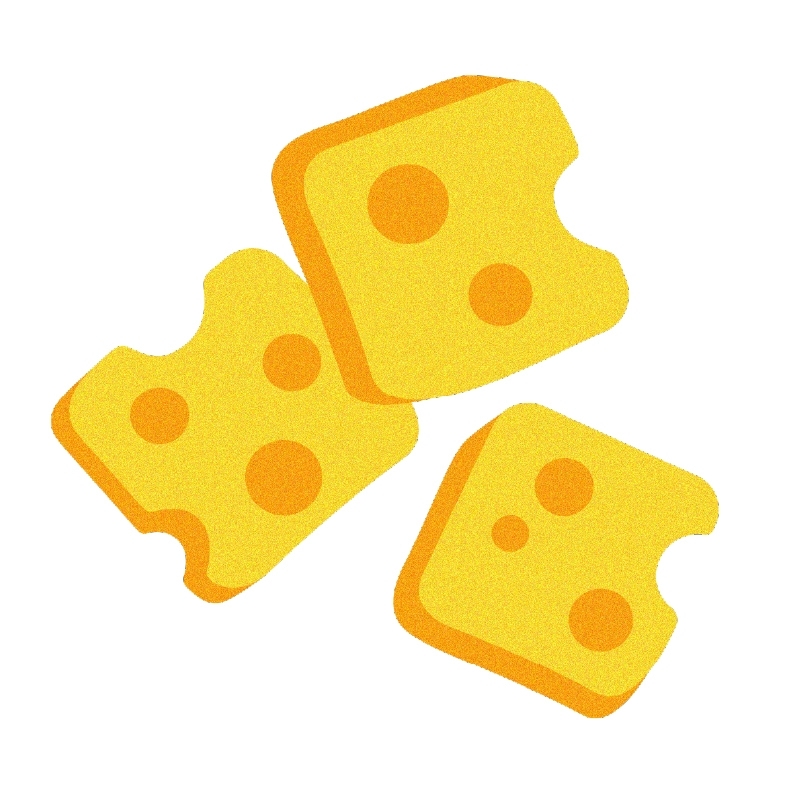
Cubes of hard cheese
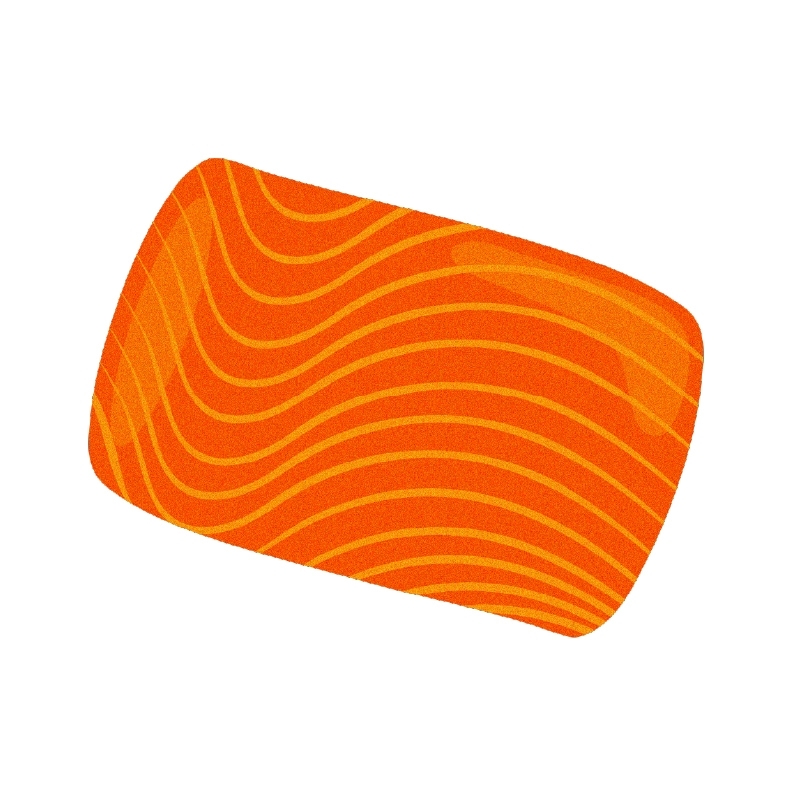
Flaked fish
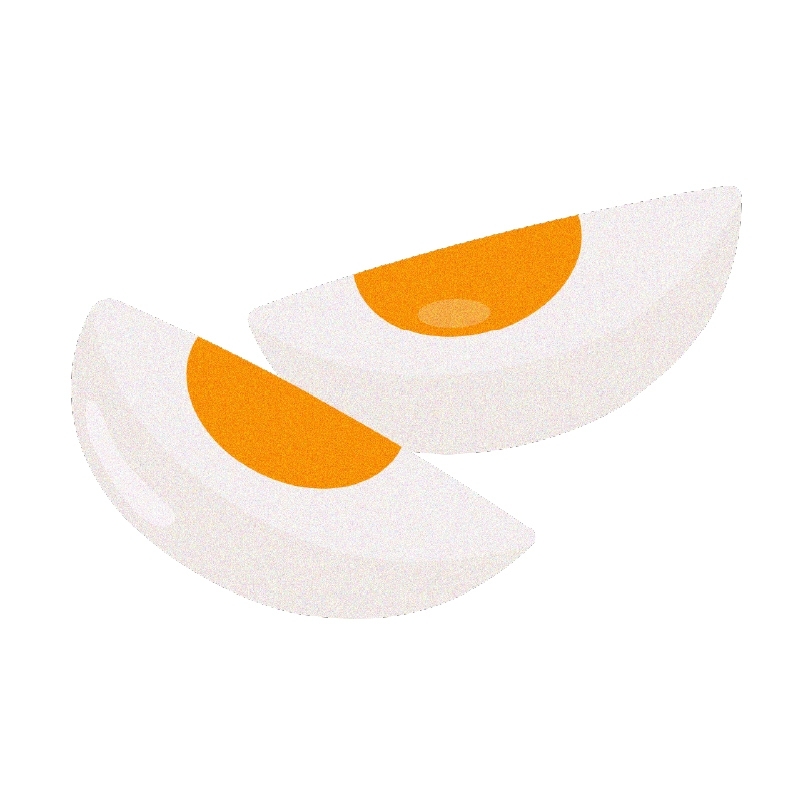
Hard boiled egg wedges
Foods that should be avoided in the first year:
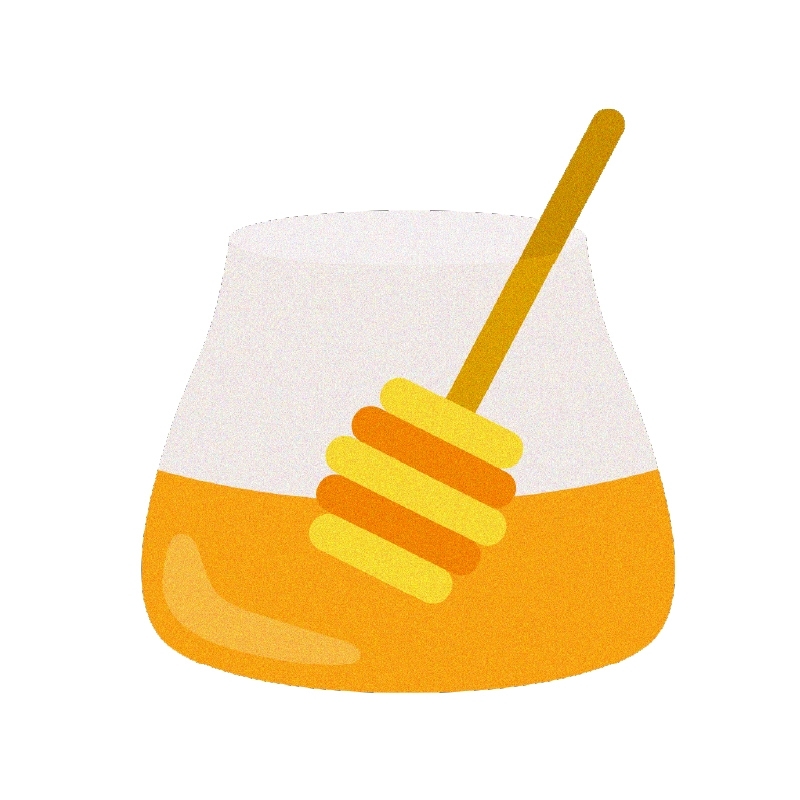
Honey
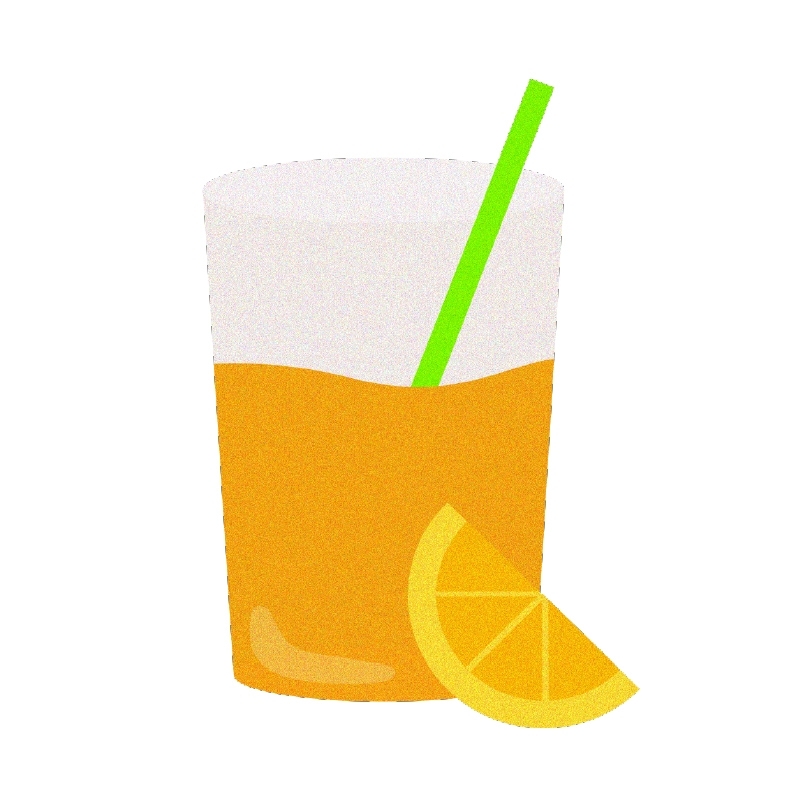
Fruit juice
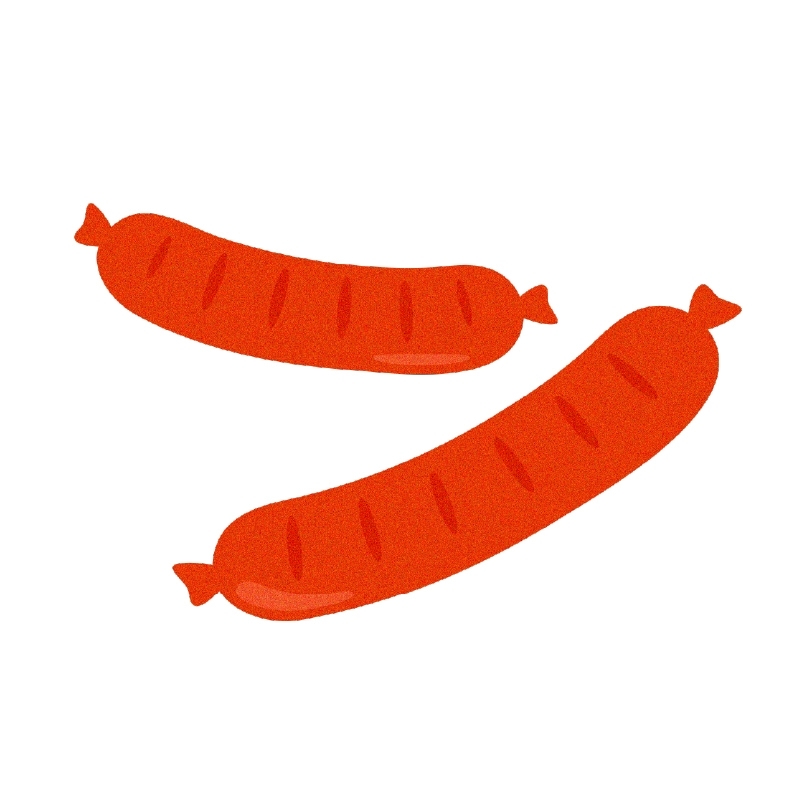
Processed meat
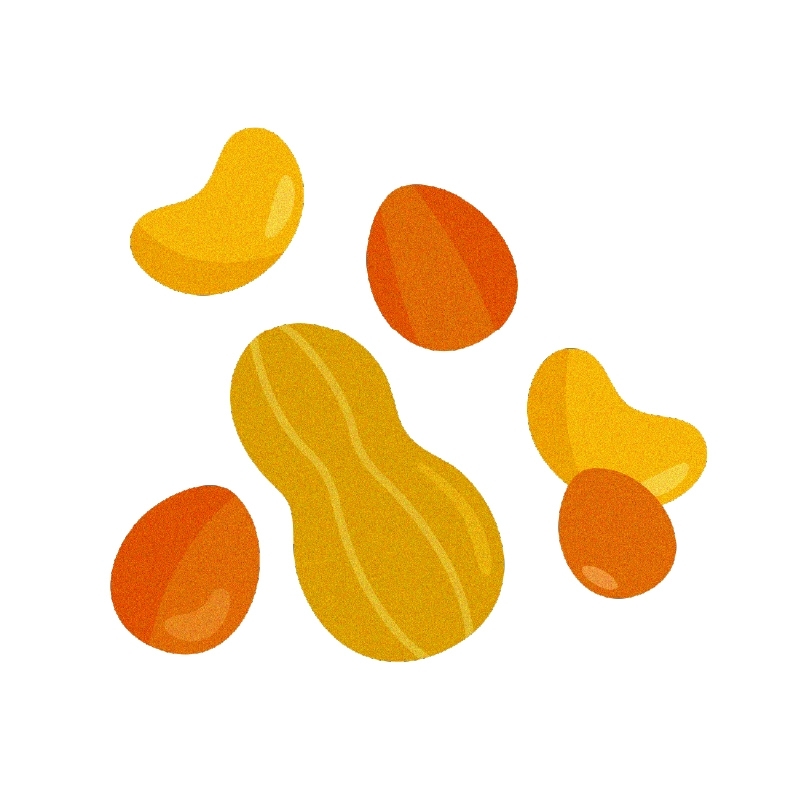
Whole nuts
How much food should I give me little one?

To begin with it may only be a few teaspoons, but as they grow, more will be eaten at each meal

This varies so much, depending on how they feel each day

Aim to recognise signs when your little one has eaten enough.
Top tips
Halve foods such as grapes and cherry tomatoes to minimise the risk of choking and you should always check for any bones in fish or meat before cooking and serving.
From 6 months it’s fine to use crushed nuts or nut butters in meals, however try and choose those with no added salt or sugar.


Wafers Blueberry


Pouch Bedtime Blend Blueberry, Banana, Oat with Vanilla

Munchy Sticks Apple & Broccoli
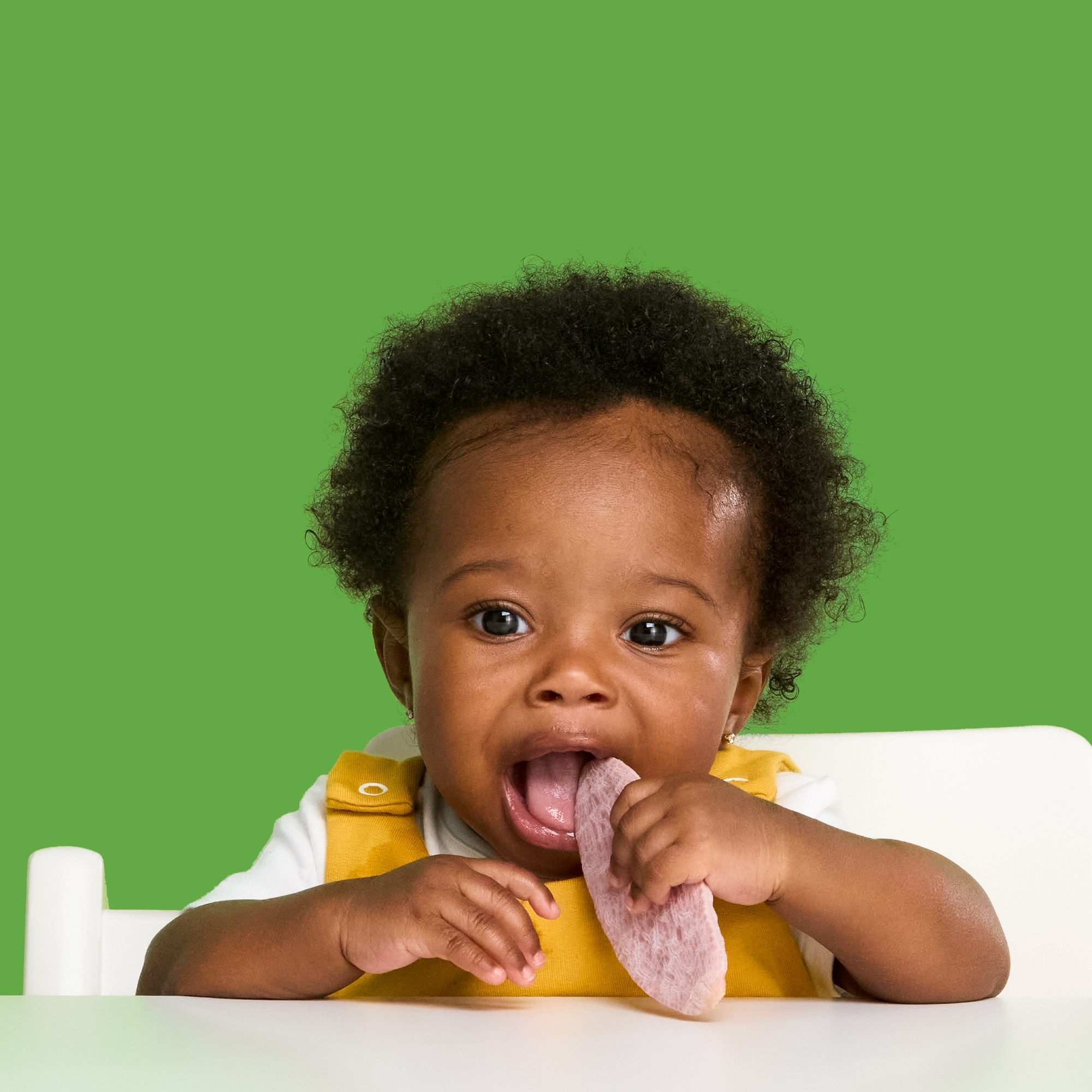
Parent Corner
Check out our latest articles here to discover advice, tips and info on how to make your little one’s weaning journey easy and hassle-free.
Got a question?